

crazy monkeymovement studio — est. amsterdam, 2015
Daily movement practice,in the heart of Amsterdam.
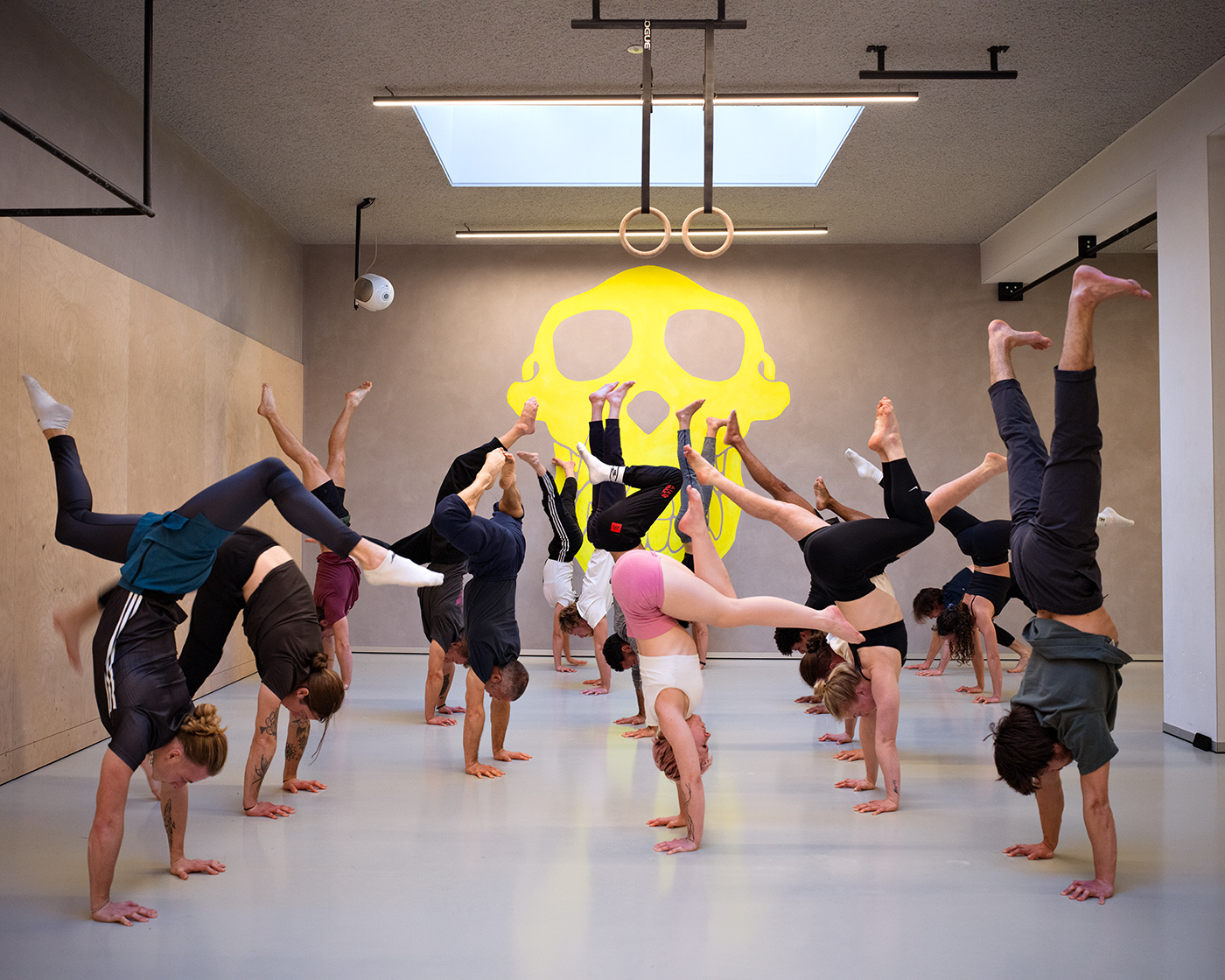
Build strength, mobility, coordination and body awareness — through play, movement problems and partner work. No experience with Crazy Monkey required: tasks adapt to different bodies, backgrounds and levels.
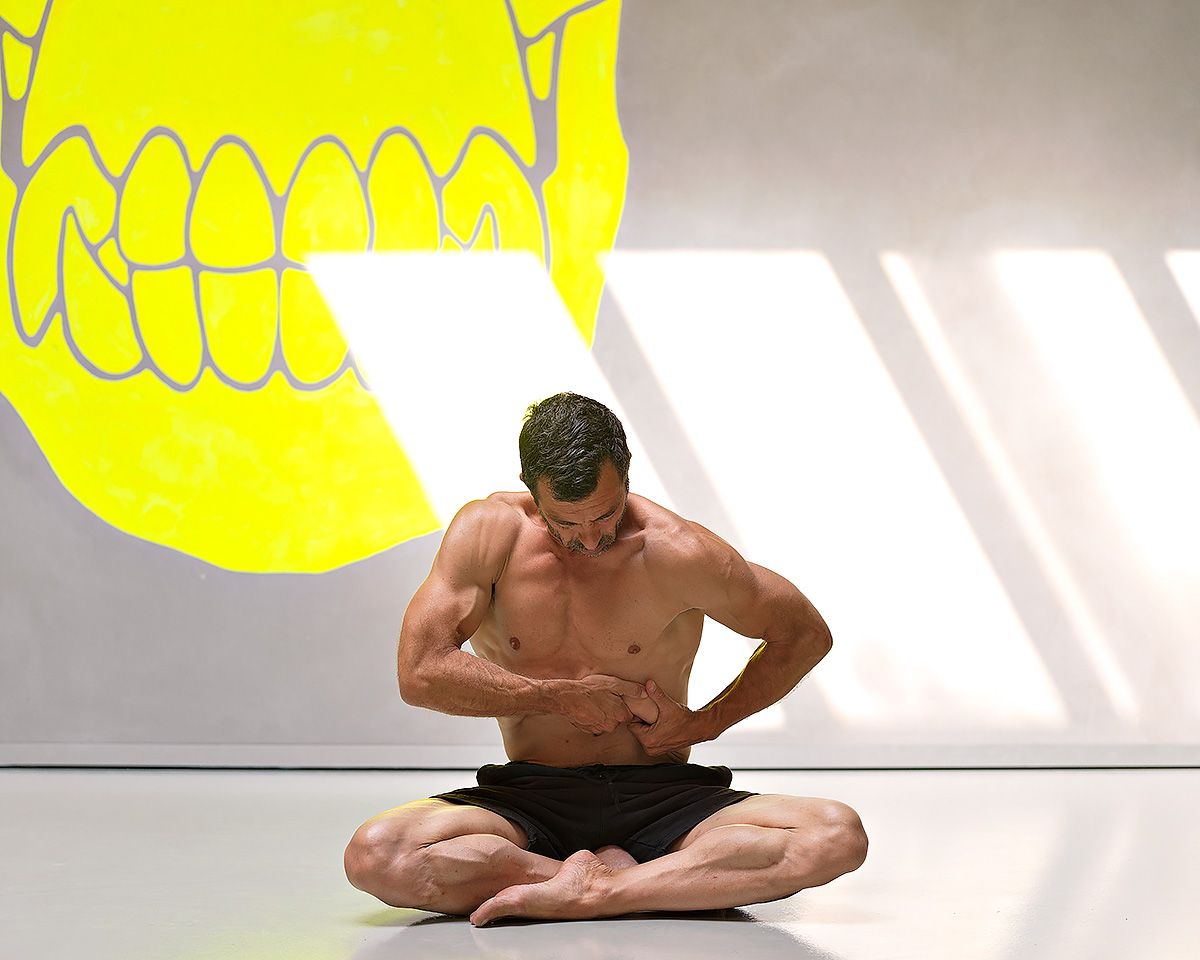
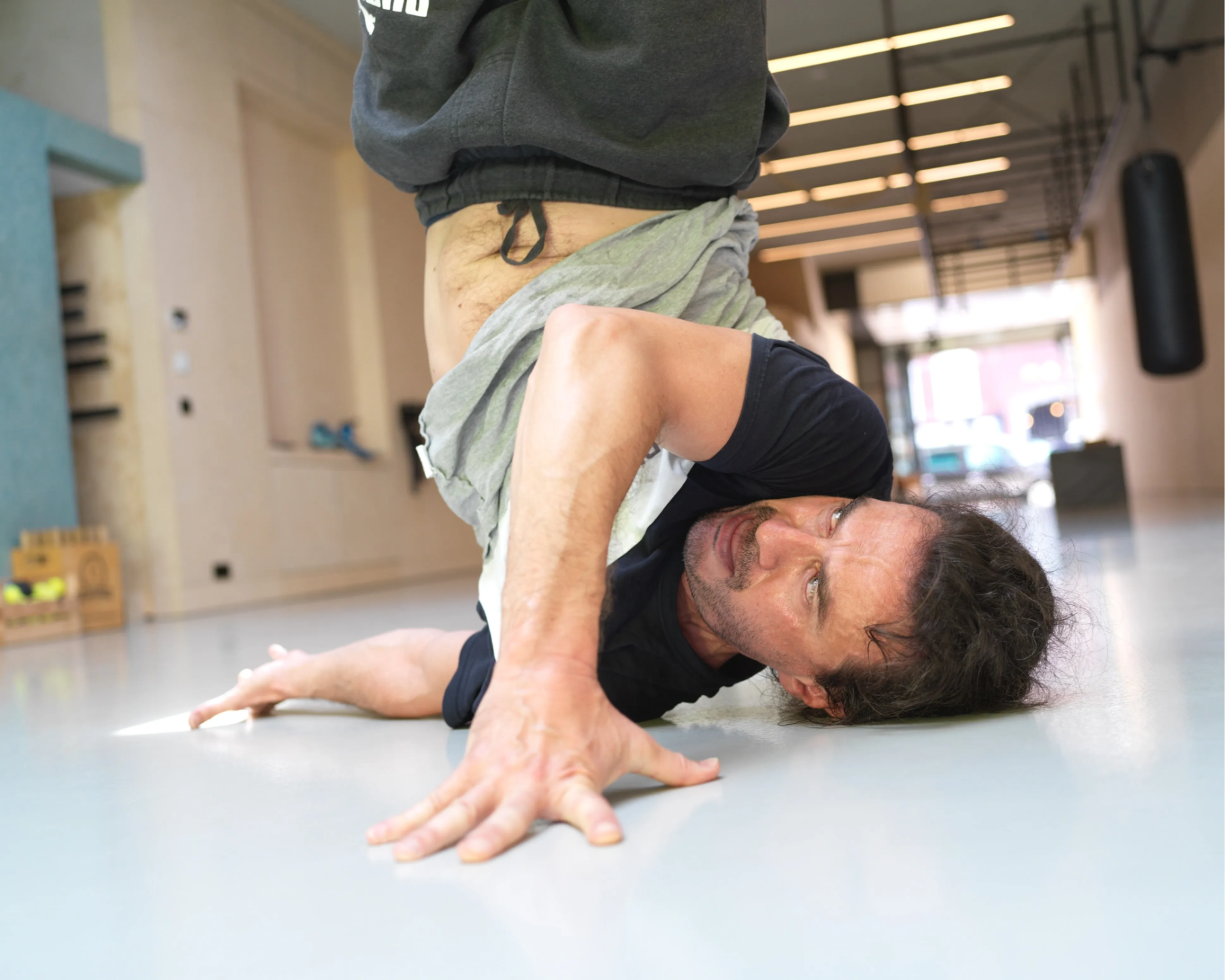
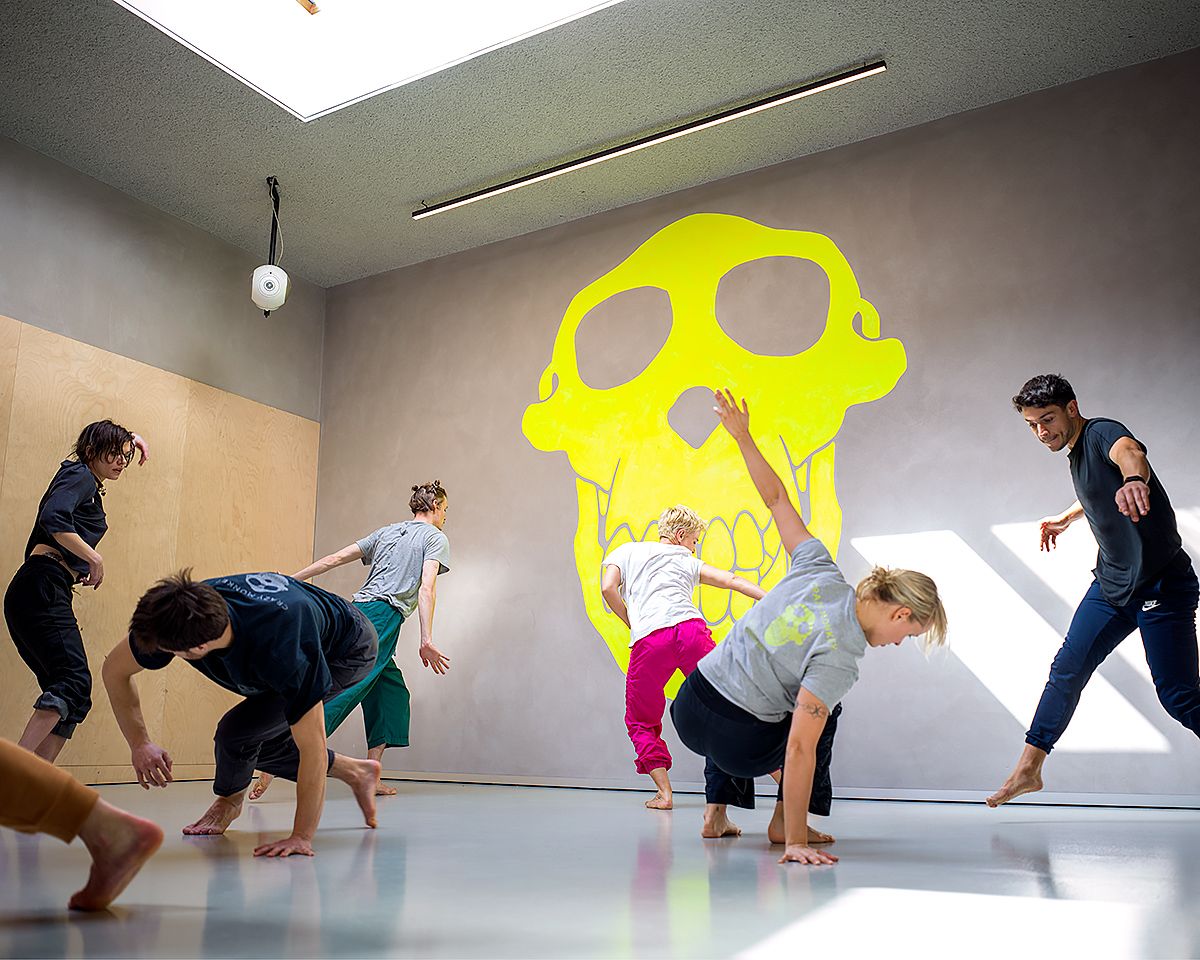
the practice, in motion — filmed at westerstraat 158
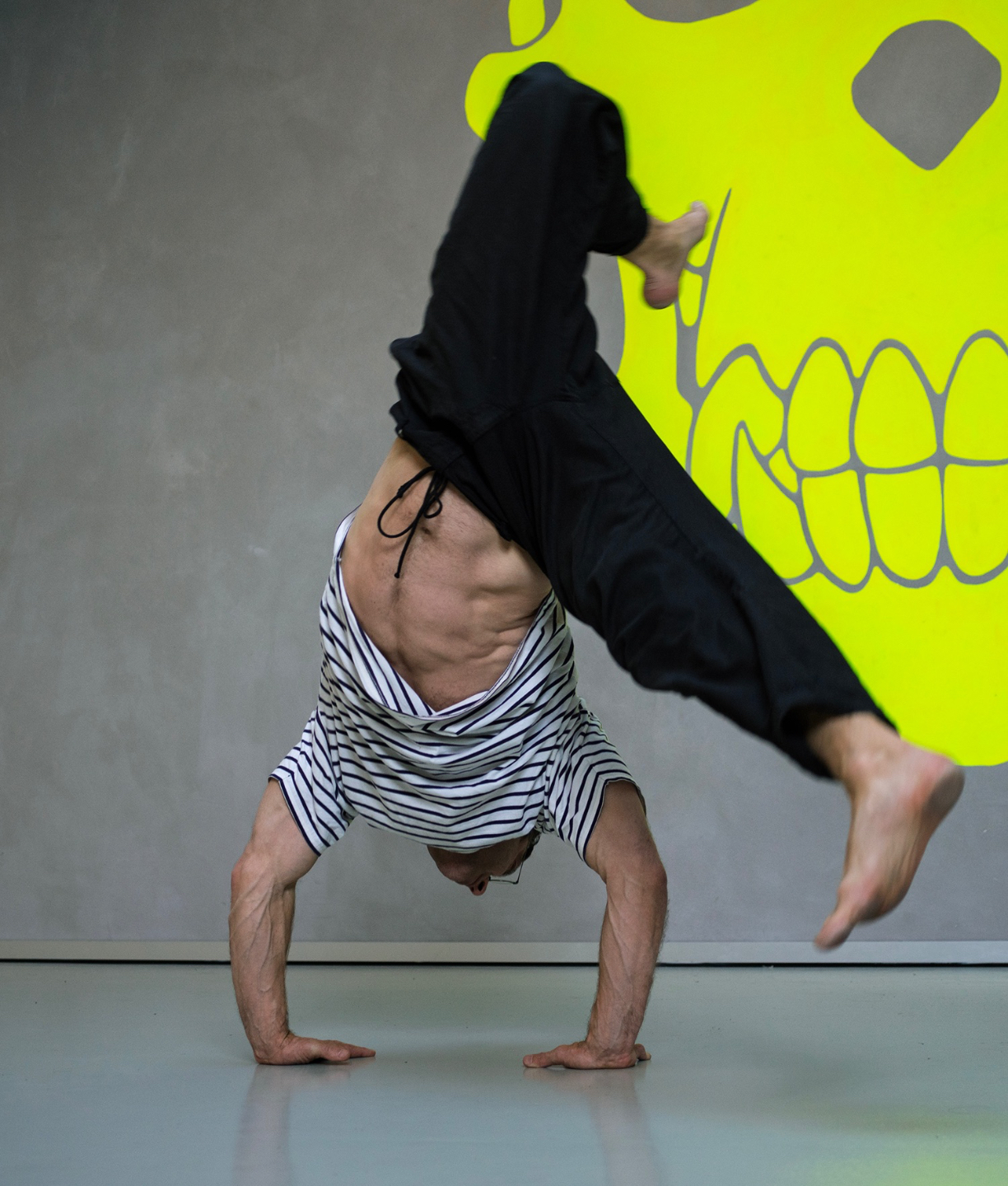
what a class feels likemore than another workout
Never the same session twice.
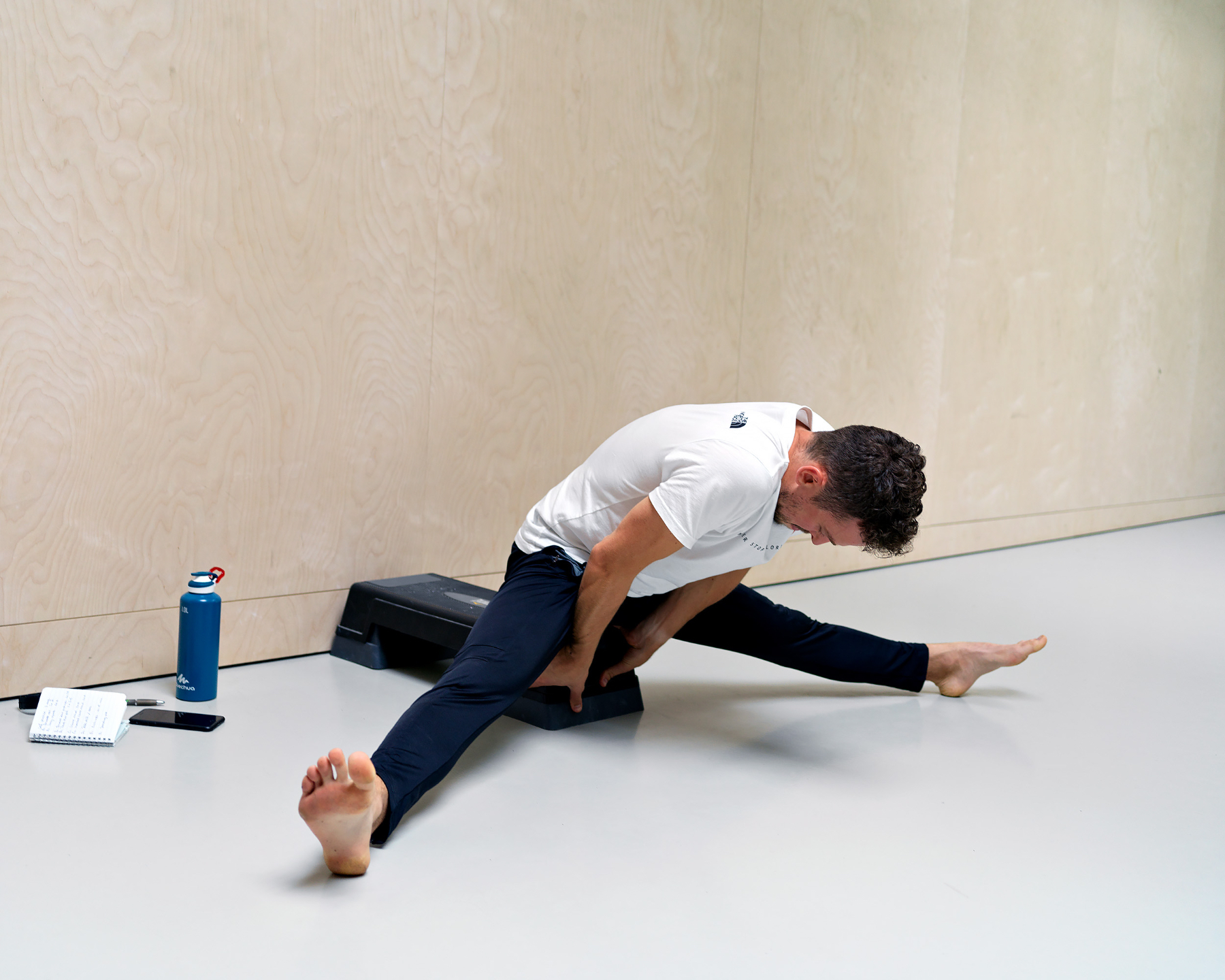
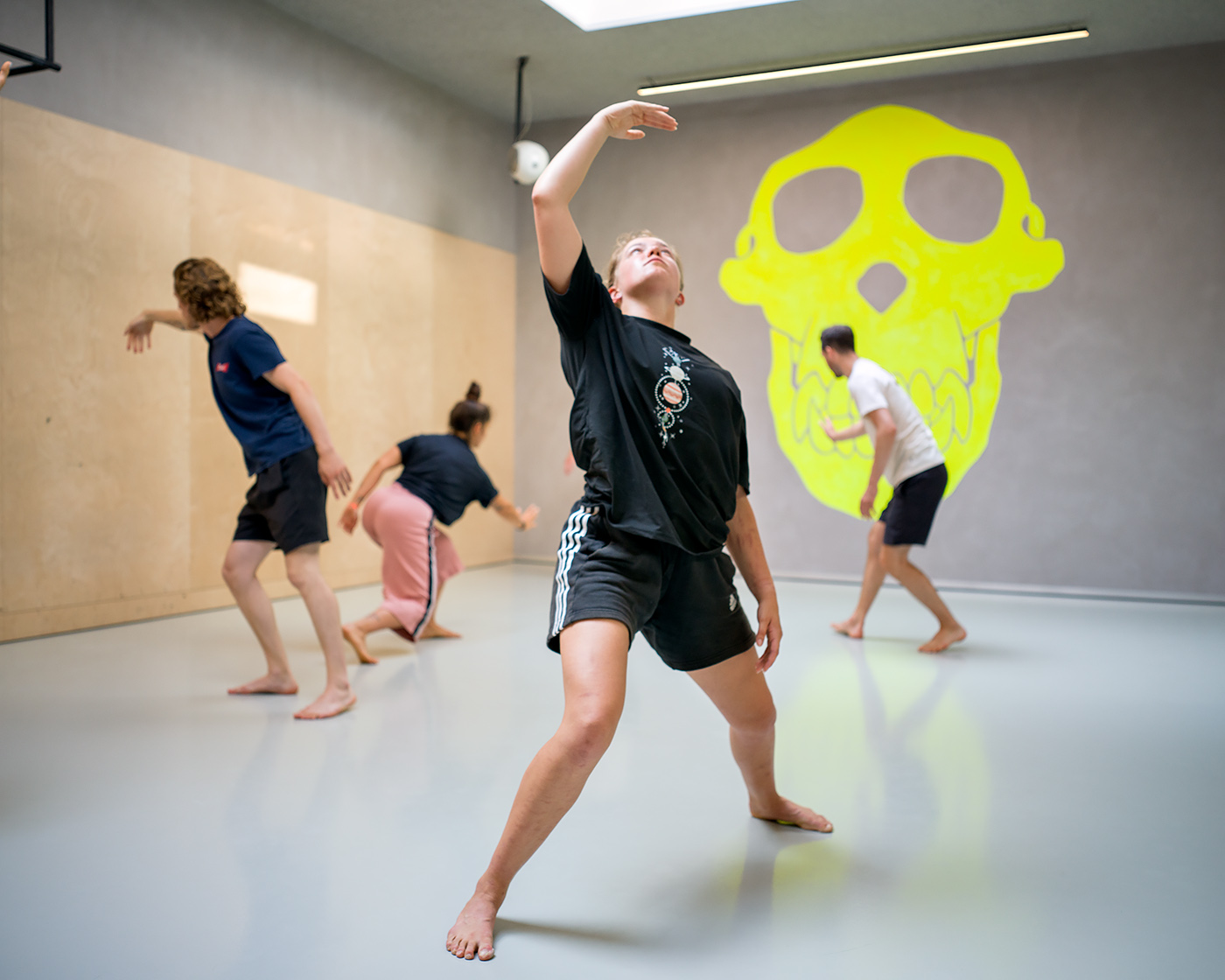
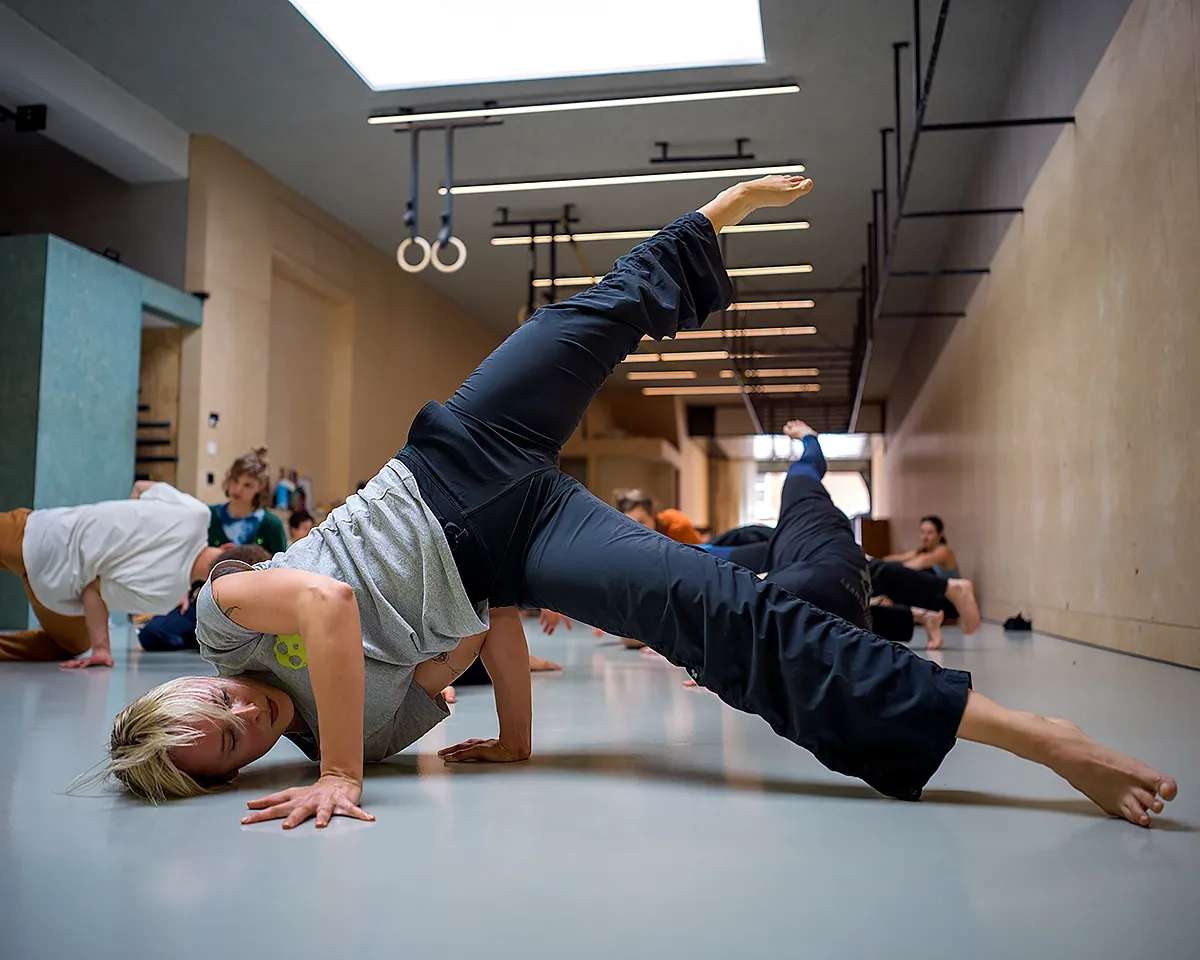
Every session mixes playful skill-based movement, partner work and solo practice — from soft and controlled to explosive and unpredictable. You might carry, hang, balance, crawl, throw, catch, react, coordinate with another person, organize your strength, or sit with a problem until it opens.
The task changes. The practice is learning to work with what is there — building strength, mobility and coordination progressively, on a custom floor, in a space we built ourselves.
could this be for meyou may recognize this
You already move.
Something is missing.
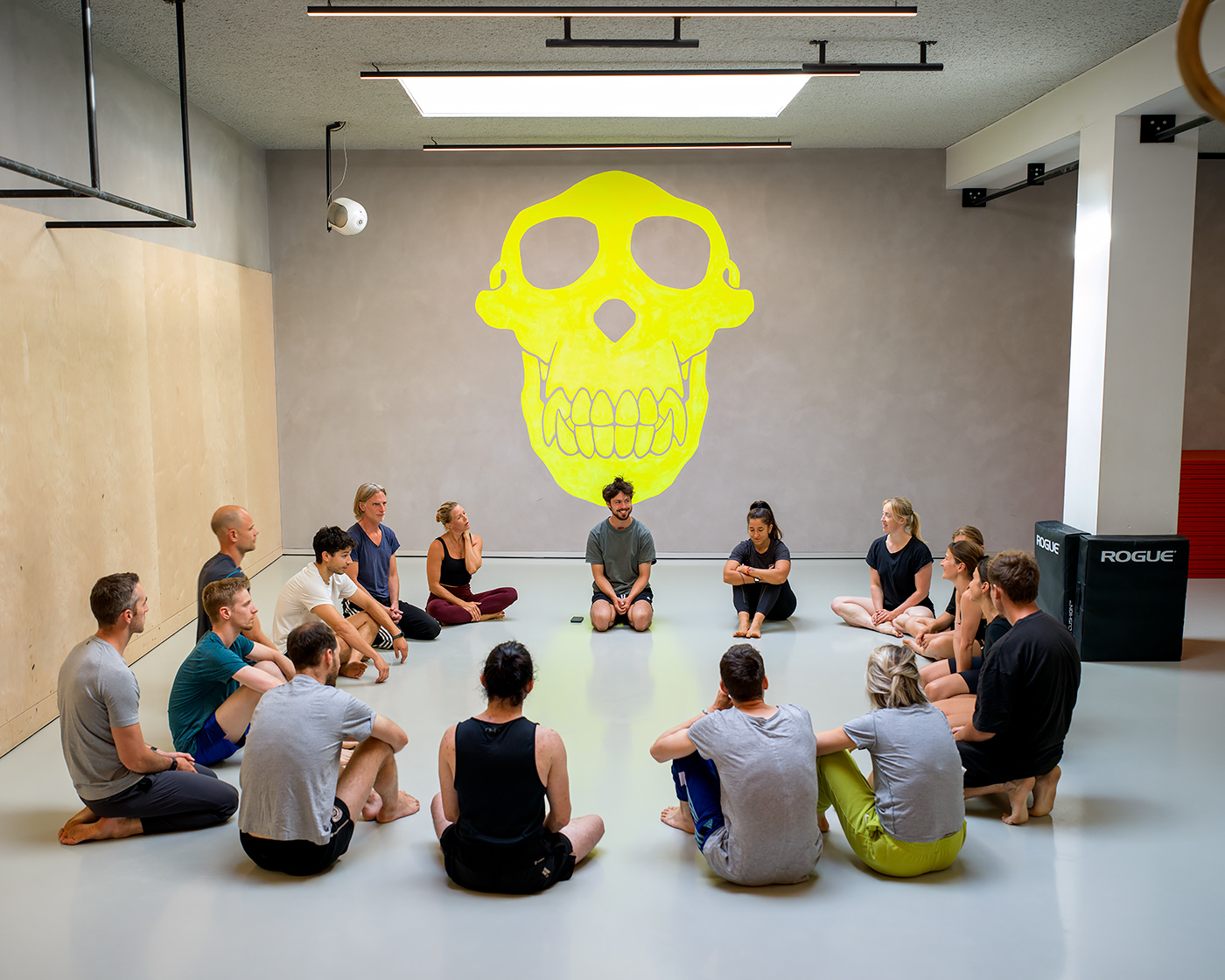
People arrive here from climbing, yoga, dance, strength training, running, martial arts and many other practices. We don't ask anyone to abandon what they love — Crazy Monkey organizes a different set of problems around strength, perception, coordination, adaptability and cooperation.
You don't need to fit every line on the right. They're simply the most common reasons people find us.
your first classstart where you are
The practical part.
?what do i need
Comfortable clothes you can move in. No specialist equipment. That's it.
?do i need to be fit or flexible
No particular level is required. The room holds people brand-new to this next to people who've trained for years — the group is the point, not a problem.
?will i be able to do the exercises
Tasks are adjustable — in load, range, speed and complexity. The goal is not an identical result across the room.
?injury or limitation
Tell the facilitator before class. Tasks can often be changed — a different load, range, speed or variation. We adapt the work; we don't treat or diagnose.
?is partner work compulsory
Partner tasks are part of the practice and are introduced gradually. Say what works for your body today, and the task changes with you.
?will i be expected to perform
No. Not knowing the solution yet is the normal state of learning here. Confusion is material, not failure.
from the roomwhat members say
“Unlike other gyms with clear instructions and movement rules, CM was all about exploring. It's incredible to watch people come in thinking they know their limits, only to see those limits vanish in just a week.”
evelina ravlusevic — member“I've become aware of which leg I pick up first when putting my pants on. I've never made connections from the traditional fitness world into my daily life like this.”
kira weibel — member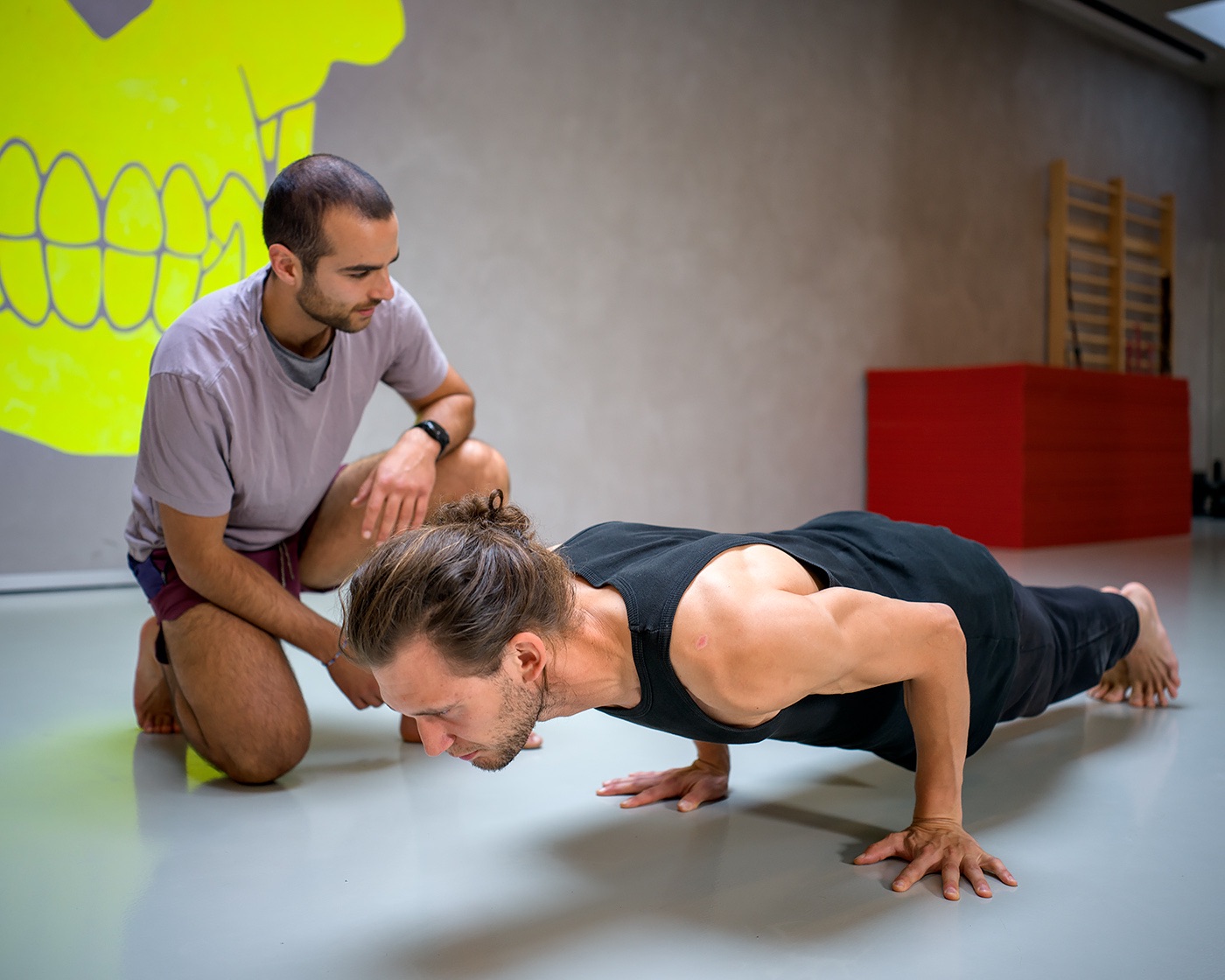
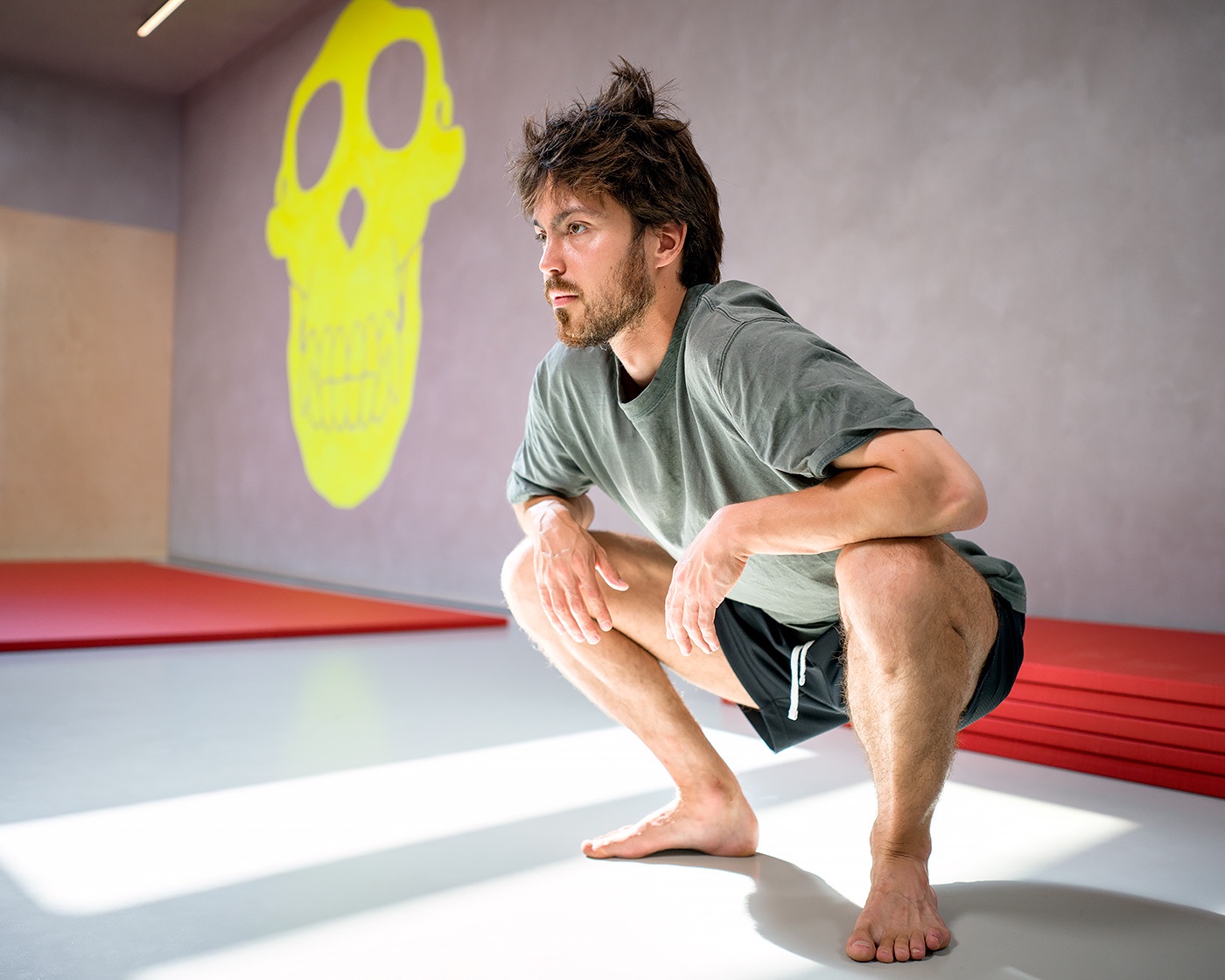
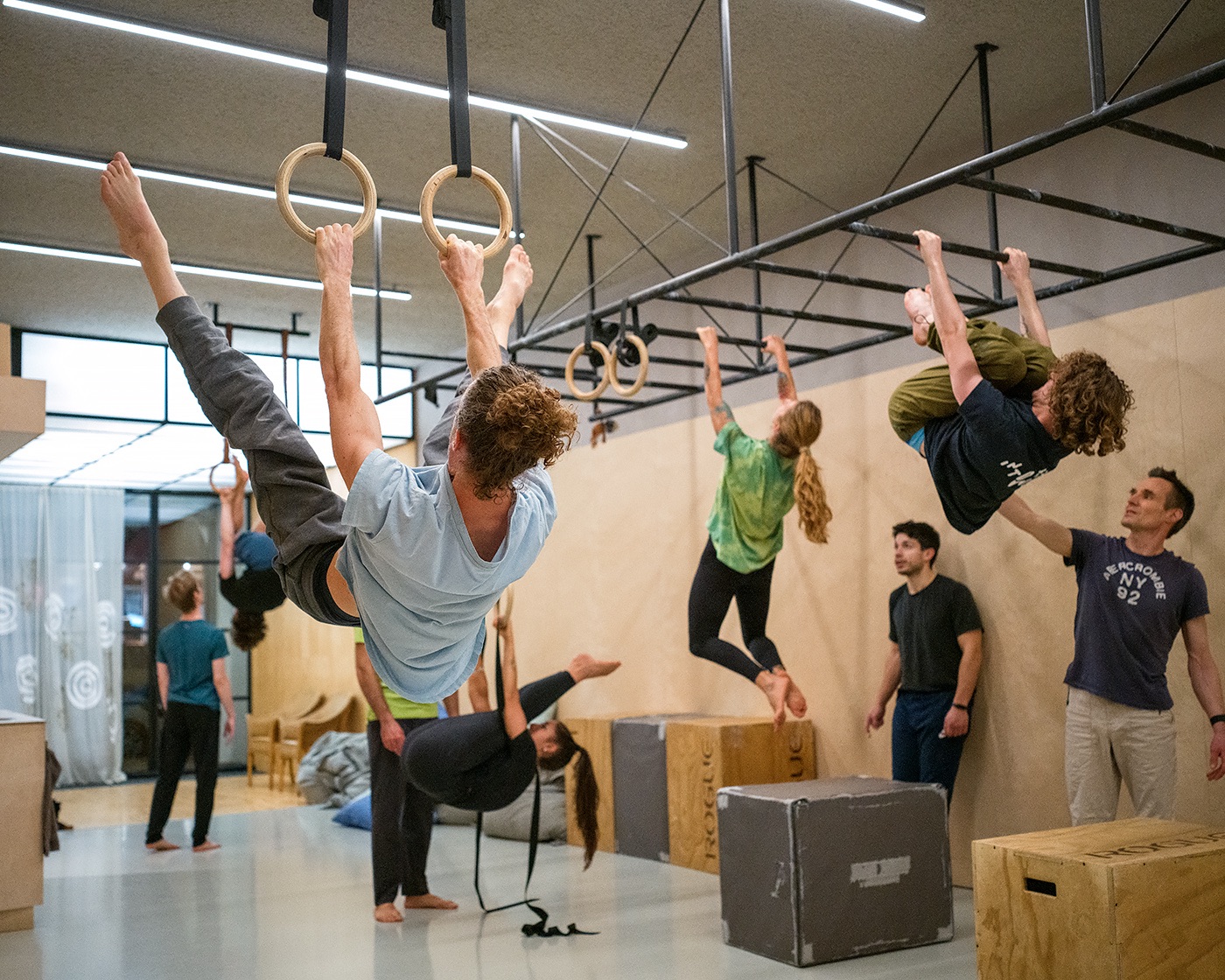
what we practicefive qualities, one room
Qualities that stay useful,
whatever else you practice.
01strength
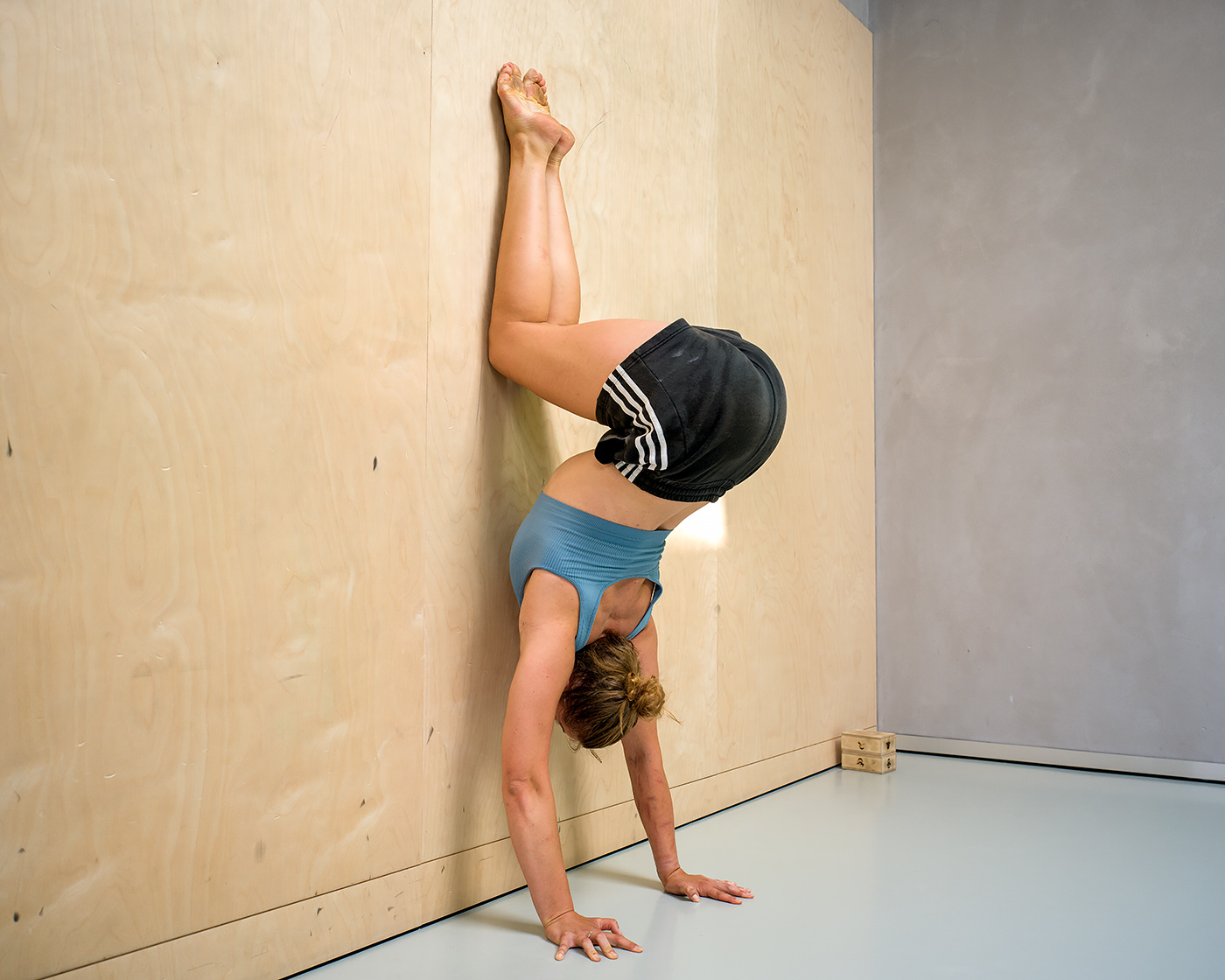
Organized and usable — from the floor, through the hands, with a partner's weight. Built inside the daily classes.
02mobility
Range you can actually use — strength and control at the end of it, not just flexibility.
03coordination
Reaction, timing, balance — trained through games and problems that keep changing.
04attention & perception
Noticing more — of yourself, the space, the other person. The focus that makes the rest of the practice work.
05cooperation
Moving with people, not beside them. Partner work, shared problems, a room that learns together.
+and play
Not decoration — it's how the problems reach you, and why people keep showing up.
the method, demonstrated
Attention changes what becomes available to you.
your cursor is attention — move it across the sentence and the letters respond. in practice, attention decides what information you have to work with. that's what we train.
the practice underneaththere is a model here
Not random exercises.
An organized practice.
The material changes daily — strength, floorwork, object work, partner games. What stays constant is what it's organized around: how you sense, how you adapt, and how you work with yourself, tasks and other people.
We name those three capacities Embodiment, Dexterity and Synergy — and perception is the explicit, organized focus that runs through all of them.
crazy monkey practice /ˈkreɪ·zi ˈmʌŋ·ki ˈpræk·tɪs/
noun · abbr. cmp · est. amsterdam, 2015
A structured practice for training perception through movement situations. Developed and tested on the studio floor in Amsterdam since 2015.
what we trainthree capacities — defined, not sloganed
embodiment
Feel it while it happens.Reading your own body in real time — breath, tension, balance, effort. Not mindfulness on a cushion: awareness inside movement, where it actually counts.
dexterity
Solve, don't just repeat.The capacity to handle movement you never rehearsed. We deliberately vary the problems, so coordination doesn't stay limited to reproducing one rehearsed solution.
synergy
Move with, not beside.Coordinating with people, objects and terrain — timing, pressure, listening through your hands. The most social part of the practice, and for many the most useful.
the three sensory channelshow cmp organises what you sense
channel 01
ExteroceptionSensing the world outside you — how you read the room, the partner, the floor.
sight · sound · touch · taste · smell
channel 02
ProprioceptionKnowing where your body is without looking — position and movement, working hand in hand with the vestibular system, your dedicated sense of balance.
position · movement · balance (vestibular)
channel 03
InteroceptionReading your inner state — breath, heartbeat, tension. Signals that feed into how you feel and how you move.
breath · heart rate · tension
the scienceinfluences, not authorities
The questions are old.
The practice is alive.
In the 1920s, Nikolai Bernstein photographed movement itself — and found that no repetition is ever truly identical. Our shorthand, after him: dexterity is not a movement you own. It is the ability to solve whatever the situation asks.
science-informed, not science-validated. gibson · bernstein · seth — borrowed as tools, worked with daily on a studio floor in amsterdam since 2015.
01open source
The CMP framework is written down, versioned, and free to use, adapt and teach. Ask us for the full Overview — we hand it to every practitioner.
02no belts, no levels
Progress isn't a rank. It's what you can attend to — and what you can do with it, on the floor and off it.
03guides, not gurus
The goal is you not needing us. Question everything, keep what survives contact with your own body.
want to go deeper
Want to understand why we practice this way?
The Knowledge goes into perception, coordination, sensory information, learning and cooperation — and where the practice comes from. It's there when you want it. It's never required at the door.
the full model, in ten minutesexplore the practicethe studiocenter of amsterdam
Center of Amsterdam,
heart of the Jordaan.
westerstraat 158 · 1015 mp amsterdam
open all day, whole week — find us
next up · one saturday afternoon
Sentiõ — a three-hour deep dive.
Saturday 5 September, 14:00–17:00, at the studio. Three hours on the layer underneath the exercises: how you sense, organize, adapt and act. €49 — no experience with Crazy Monkey required.
The best way to understand it
is to experience it.
all memberships & class packs → pricing
the practice belongs to everyone who practices it, and to no one in particular
Crazy Monkey
this practice belongs to everyone who practices it, and to no one in particular.
See you on
the floor.
stay in the loop
movement notes, now and then — no spam, promise.
© 2026 Crazy Monkey · Amsterdam
still monkeying around since 2015.